
Vision
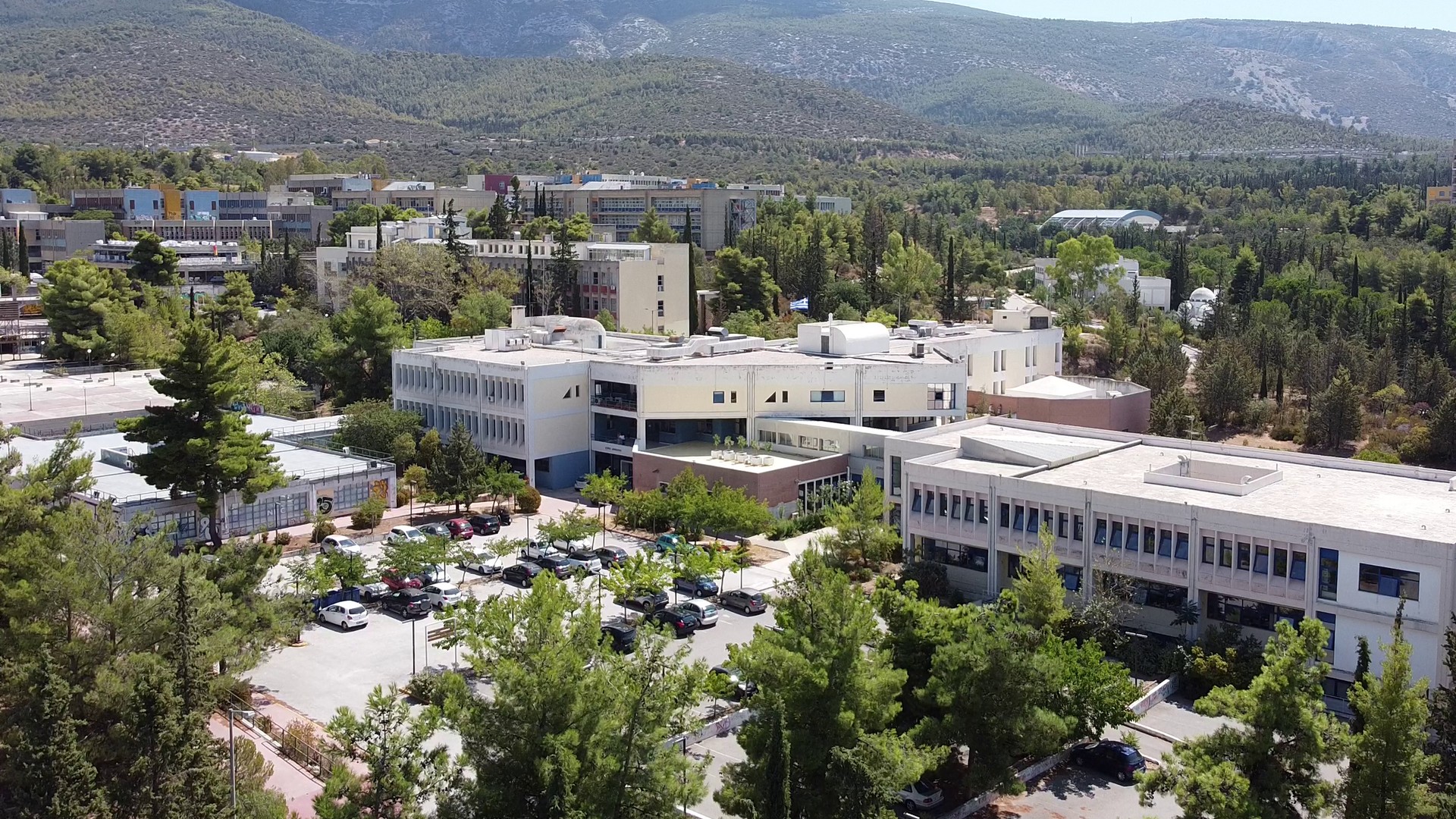
The National Technical University of Athens (NTUA) has a vision of fully integrating sustainability into the core of its activities. At the heart of this effort, it operates as a model of sustainable development, adopting innovative technologies and methods for energy efficiency, waste reduction and the promotion of the circular economy.
Education and awareness-raising of all members of the technical community on sustainability issues is a key pillar of this strategy. At the same time, the National Technical University of Athens seeks to develop dynamic partnerships with other educational institutions and organizations to exchange knowledge and promote sustainable practices.
Additionally, through the integration of the United Nations Sustainable Development Goals into its strategy, the National Technical University of Athens emphasizes its global responsibility to contribute to the achievement of these goals, emphasizing excellence in research and education in a sustainable manner.
Carbon Reduction Target (Scope 1 & 2) – Net Zero by 2050
Overview
The National Technical University of Athens (NTUA) recognises climate change as a material environmental and operational risk and commits to reducing greenhouse gas (GHG) emissions associated with university operations. This public statement defines NTUA’s long-term carbon reduction target for operational emissions and describes the framework for implementation, monitoring, and continuous improvement.
Target and Coverage
NTUA commits to achieving net-zero greenhouse gas emissions for Scope 1 and Scope 2 by 2050 (at the latest). The target covers emissions from university-controlled operations and purchased energy, prioritising measurable emissions reductions through technical and operational interventions. Carbon removals are considered only for residual emissions that cannot be eliminated through feasible measures.
Definitions and Boundary
For the purposes of this target, Scope 1 includes direct emissions from sources owned or controlled by NTUA (such as on-site fuel combustion and other operational sources where applicable). Scope 2 includes indirect emissions associated with purchased electricity and other purchased energy carriers consumed by the university.
Measurement, Baseline and Reporting
Progress is tracked against a defined baseline year, which is confirmed and updated as data coverage and quality improve. Scope 1 and Scope 2 emissions will be quantified using a recognised methodology aligned with the GHG Protocol Corporate Standard (or equivalent), using verified data sources such as utility invoices, fuel records, and metering where available. NTUA will monitor progress regularly and publish updates through institutional sustainability reporting and/or its sustainability webpages to support year-on-year tracking.
Implementation Approach
NTUA will deliver the target through a “reduce first” approach that prioritises energy demand reduction and efficiency, followed by electrification and low-carbon heating/cooling solutions where feasible, and increased renewable electricity through on-site generation and/or credible procurement mechanisms. Delivery will be supported by improved energy management, monitoring, and performance verification to ensure that savings are sustained over time.
Governance and Review
The target will be implemented through institutional governance arrangements, with strategic oversight by the appropriate governing bodies and delivery led by relevant operational units, supported by sustainability coordination for data consolidation and reporting. This statement and the associated decarbonisation pathway will be reviewed at least every 3 years (or earlier if required), reflecting updated data, evolving best practice, and institutional priorities.